Why Spring Is the Riskiest Season for a Danbury Basement
Spring in Danbury brings longer days, warmer air, and a slow melt of the snow that piled up over the winter. That meltwater has to go somewhere, and all too often it ends up against your foundation and under your basement slab. The result is a familiar pattern for local homeowners: a dry basement in January that turns damp, musty, or outright wet by late March. Understanding why this happens is the first step toward preventing it.
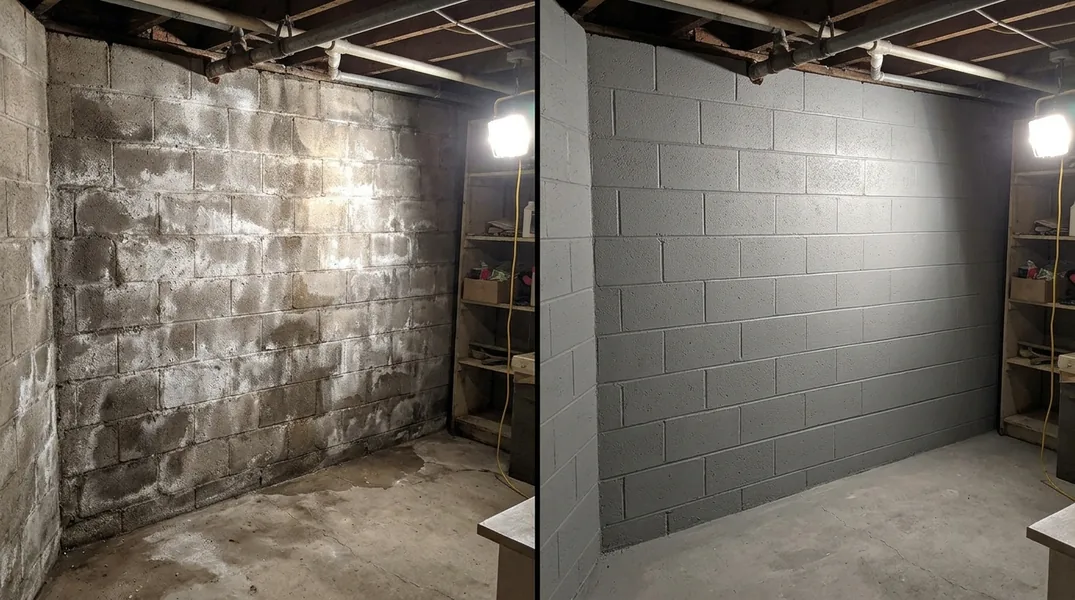
The problem is compounded by the region's topography. Danbury sits in a valley with hills rising on several sides, and when rain falls on saturated ground, water follows the path of least resistance downhill toward lower-lying neighborhoods. The Still River and its tributaries can swell quickly during a combination of snowmelt and spring storms, and when the river runs high, the water table beneath nearby homes rises with it. That means water can appear in a basement even if your gutters are clean and your yard looks dry on the surface. If you have noticed dampness, efflorescence on the walls, or a persistent musty smell, you are not imagining it: seasonal water is finding a way in.
Snowmelt, Storm Runoff, and the Still River: How Water Finds Your Foundation
Snowmelt is deceptively powerful. A foot of snow can hold several inches of water, and when it melts gradually, the ground stays saturated for days or weeks. That prolonged saturation is what stresses a foundation. Hydrostatic pressure builds against basement walls, and water seeks out the weakest points: hairline cracks, the seam where the wall meets the footing, window wells, and the porous concrete block itself. Add a heavy spring rainstorm on top of already saturated soil, and you have the recipe for a Bethel-area basement flood that seems to come out of nowhere.
The Still River adds another layer of risk for homes near its banks and floodplain. When the river rises, it can back up storm drains and saturate the surrounding soil, pushing water toward foundations from the outside in. Even homes on higher ground are not immune, because runoff from uphill properties can channel toward them. This is why Basement Waterproofing in this region has to account for both surface water and subsurface groundwater. A solution that only addresses one of those sources will leave you vulnerable the next time the thaw and the rain arrive together.
Basement Flood Prevention: What Homeowners Can Do Before the Thaw
There is a lot a homeowner can do before the ground thaws to reduce risk. Start with the exterior: clear snow away from the foundation and window wells so meltwater can drain away rather than pooling against the house. Make sure gutters and downspouts are clear and that downspouts discharge several feet away from the foundation, ideally onto a splash block or into a buried drain line. Check the grade around the home and add soil where the ground slopes back toward the walls. These steps are inexpensive and can make a real difference in how much water reaches your foundation during the spring melt.
Inside, keep an eye on the floor and walls in the lowest level. Early warning signs include damp patches, white powdery deposits, rust on the bottom of appliances, and a musty odor that gets stronger after rain. If you see any of these, it is worth having a professional assess the situation before the next storm. For homeowners who want a long-term fix rather than a seasonal patch, an Interior Drain Tile System can capture water that reaches the footing and route it to a sump pump, while Exterior Basement Waterproofing addresses the problem from the outside by improving drainage and sealing the foundation. The right approach depends on your home's specific conditions, which is why an on-site evaluation matters.
Rising Water Table and Foundation Waterproofing: When to Call a Pro
A rising water table is one of the hardest problems for a homeowner to diagnose on their own, because the water often appears without any obvious source. You might see water seeping through the floor joint or emerging from cracks that were dry all winter. In some cases, water can rise through the slab itself. This is a sign that groundwater is being pushed upward by saturated soil, and it usually requires more than a coat of sealant to fix. Foundation Waterproofing that includes proper drainage and, where needed, a vapor barrier and sump system is the reliable way to manage it.
If you are searching for basement waterproofing near me and wondering whether it is time to call in a professional, consider these signals: water in the basement more than once, a musty smell that returns every spring, cracks that are widening, or a sump pump that runs constantly. A professional assessment will identify whether the source is surface runoff, groundwater, or both, and recommend a solution sized to your home. Waiting until after a flood is more expensive and more stressful than addressing the issue now.
Basement Waterproofing Cost in Danbury: What to Budget
Homeowners often ask what waterproofing will cost before they commit. The honest answer is that it depends on the source of the water, the size and layout of your basement, and the solution required. A simple crack injection is far less expensive than a full interior drainage system, and exterior work costs more because it involves excavation. Rather than guess, it is best to get a written scope of work and a clear explanation of what is included. You can review general pricing guidance on our site to get a sense of typical ranges before you call.
It also helps to think about cost in context. A finished basement that floods can lose flooring, drywall, furniture, and electronics in a single storm, and mold remediation can add thousands more. Preventative waterproofing is usually the lower-cost path over the life of the home. If you live in Ridgefield or anywhere in the greater Danbury area and want a clear picture for your property, request a free estimate and we will walk you through the options.
Protect Your Danbury Basement Before the Next Thaw
Spring thaw and storm runoff are predictable, which means the damage they cause is largely preventable. The homeowners who stay dry are the ones who act before the ground thaws, not after the first puddle appears. Whether you need a targeted repair or a full waterproofing system, the goal is the same: keep water away from your foundation and manage whatever reaches it. Danbury Waterproofing serves homeowners throughout the area and can assess your basement, explain what is happening, and recommend a solution that fits your home and budget.
If you have seen signs of water this winter or you simply want peace of mind before the spring rains arrive, call (475) 256-1959 or visit our website to schedule a free estimate. A dry basement is easier and less expensive to protect than to repair, and now is the right time to get ahead of the season.
Looking for a professional basement waterproofing contractor in Danbury? Danbury Waterproofing responds fast for all your basement waterproofing needs.
Get a Free QuoteOur services: Basement Waterproofing · Interior Drain Tile System · Exterior Basement Waterproofing